
Health article
The Importance of X-Rays at Lake Nona Chiropractic
By Dr. Frank Berzanskis, chiropractic physician · May 6, 2024 · 2 min read
At Lake Nona Chiropractic, the use of x-rays stands as a cornerstone of our chiropractic care. This diagnostic tool is crucial not only for initial assessments but also for the ongoing management of treatment plans. Here’s why x-rays are indispensable in the pursuit of optimal spinal health and well-being.
Identifying Subluxations and Misalignments
One of the primary uses of x-rays in chiropractic care at Lake Nona Chiropractic is to identify spinal subluxations and misalignments. A subluxation occurs when a spinal vertebra has moved out of position, potentially leading to nerve irritation and disrupted function throughout the nervous system. Misalignments, similarly, affect the overall integrity of the spine and can lead to various physical ailments and discomfort.
Our practice follows the Pettibon System, a respected method in chiropractic care known for its emphasis on spinal alignment and posture correction. Through this system, practitioners use x-rays to gain a clear, accurate picture of the spine's condition. This enables them to diagnose issues precisely and tailor their adjustments and rehabilitation exercises to meet the specific needs of each patient.
Tracking Treatment Progress
Another vital application of x-rays at our office is in tracking the progress of a patient's treatment. Chiropractic care is often a journey, with adjustments and exercises made gradually to work the spine back to its proper alignment and posture. Periodic x-rays allow chiropractors to monitor these changes accurately and adjust treatment plans as necessary. This evidence-based approach helps ensure that each patient’s path to better health is as efficient and effective as possible.

Ensuring Patient Safety
Safety is paramount in any medical treatment, and chiropractic care is no exception. X-rays play a crucial role in ensuring that it is safe to adjust certain areas of the spine. Before any treatment plan is implemented, x-rays can reveal any "red flags" such as fractures, tumors, or other anomalies that might contraindicate certain types of chiropractic adjustments. This is especially important in sensitive cases, like treating patients with scoliosis or other pre-existing conditions, where specific spinal regions may be vulnerable.
The use of x-rays at Lake Nona Chiropractic is integral to providing safe, customized, and effective chiropractic care. By identifying subluxations and misalignments, tracking the progress of treatments, and ensuring the safety of adjustments, x-rays empower the chiropractors at our office to deliver care that not only relieves pain but also promotes a healthier, more aligned life. For anyone considering chiropractic treatment, understanding the role of x-rays can provide peace of mind and clarity on the journey to improved spinal health.
Scoliosis care at Lake Nona Chiropractic
Our ScoliCare certified doctors build an active plan for every scoliosis patient: exercises, bracing or intensive therapy.
This article is for general education and is not medical advice. Individual results vary. Talk with your doctor about your situation.
Related articles

June 23, 2026
Scoliosis Care in Lake Nona and Greater Orlando: Expert Evaluation, Diagnosis, and Personalized Treatment
Lake Nona Chiropractic provides expert scoliosis evaluations, X-ray guidance, accurate diagnosis, ScoliBrace options, and personalized idiopathic...
Read article
February 14, 2025
Growth Modulation in AIS: A Non-Surgical Approach to Reversing Scoliosis with ScoliBrace
Understanding Adolescent Idiopathic Scoliosis (AIS) and Growth Modulation Adolescent Idiopathic Scoliosis (AIS) is a condition characterized by an...
Read article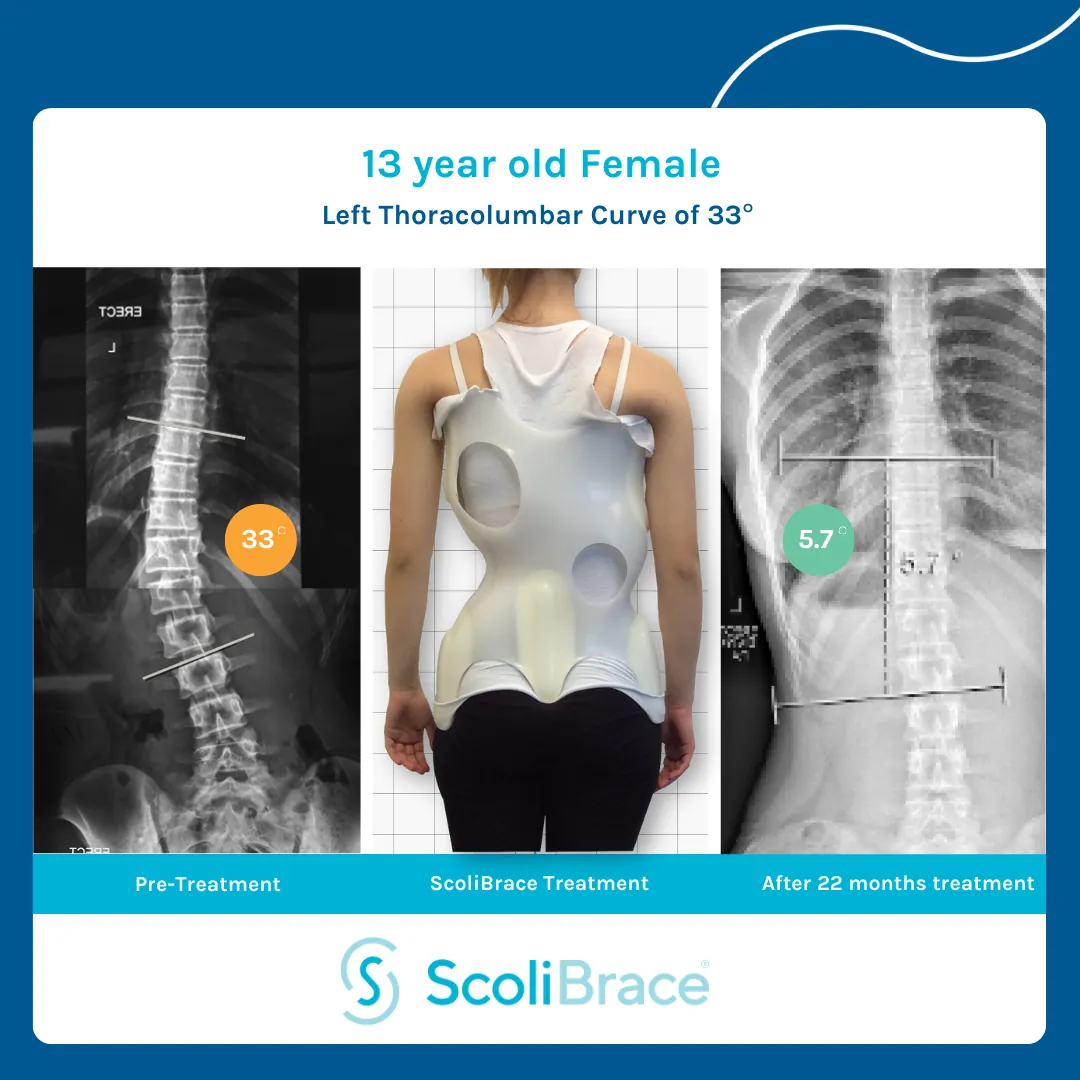
November 14, 2024
Debunking Myths About Scoliosis
Scoliosis is a spinal condition that affects millions of people worldwide, yet there’s still a lot of misinformation surrounding it. From misconceptions...
Read articleQuestions about your spine?
Book the $49 New Patient Special: consultation, exam, X-rays if necessary and a personalized care plan.